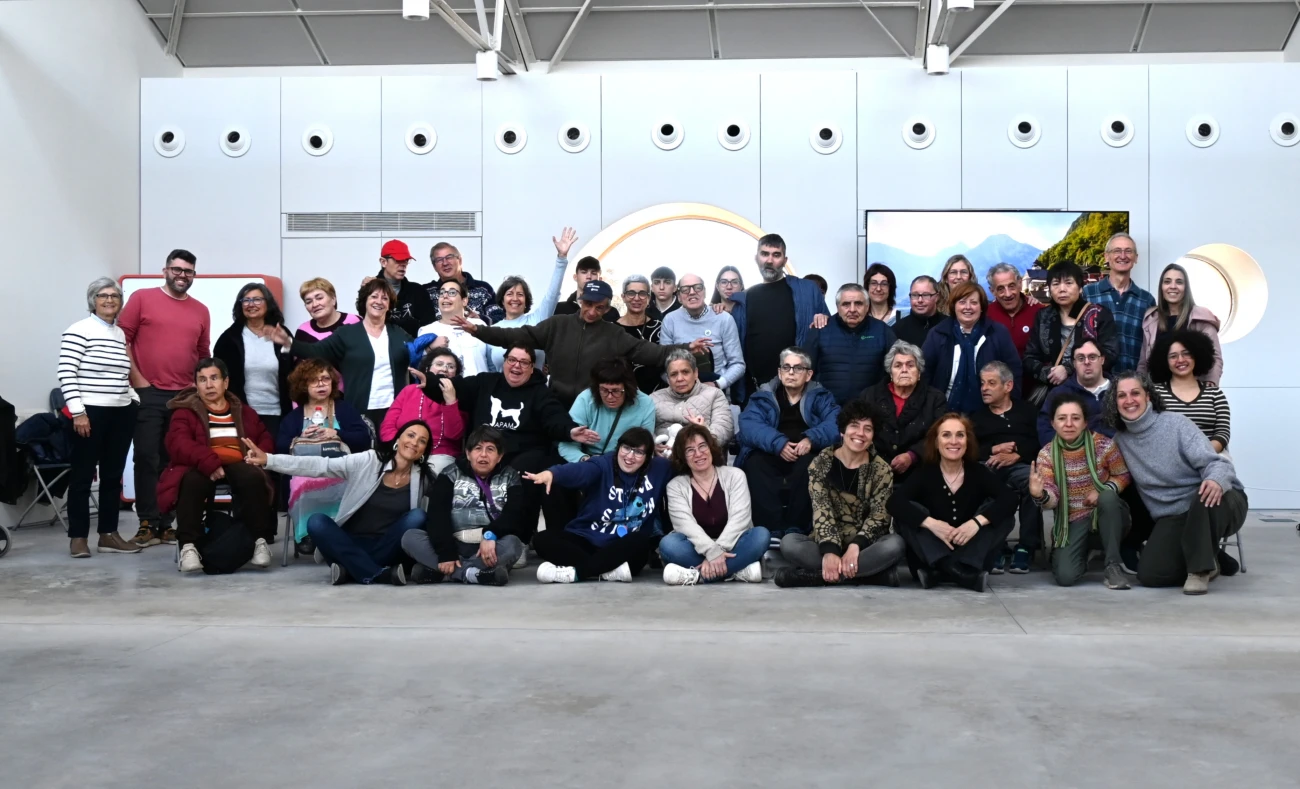
The community’s history began in the late seventies, driven by Dr. Pujol and his family, with the desire to create a shared living space for people with intellectual disabilities. After learning about the L’Arche experience, the project gradually took shape in Can Trompa, Tordera, where a simple, family-like, and communal way of life began.
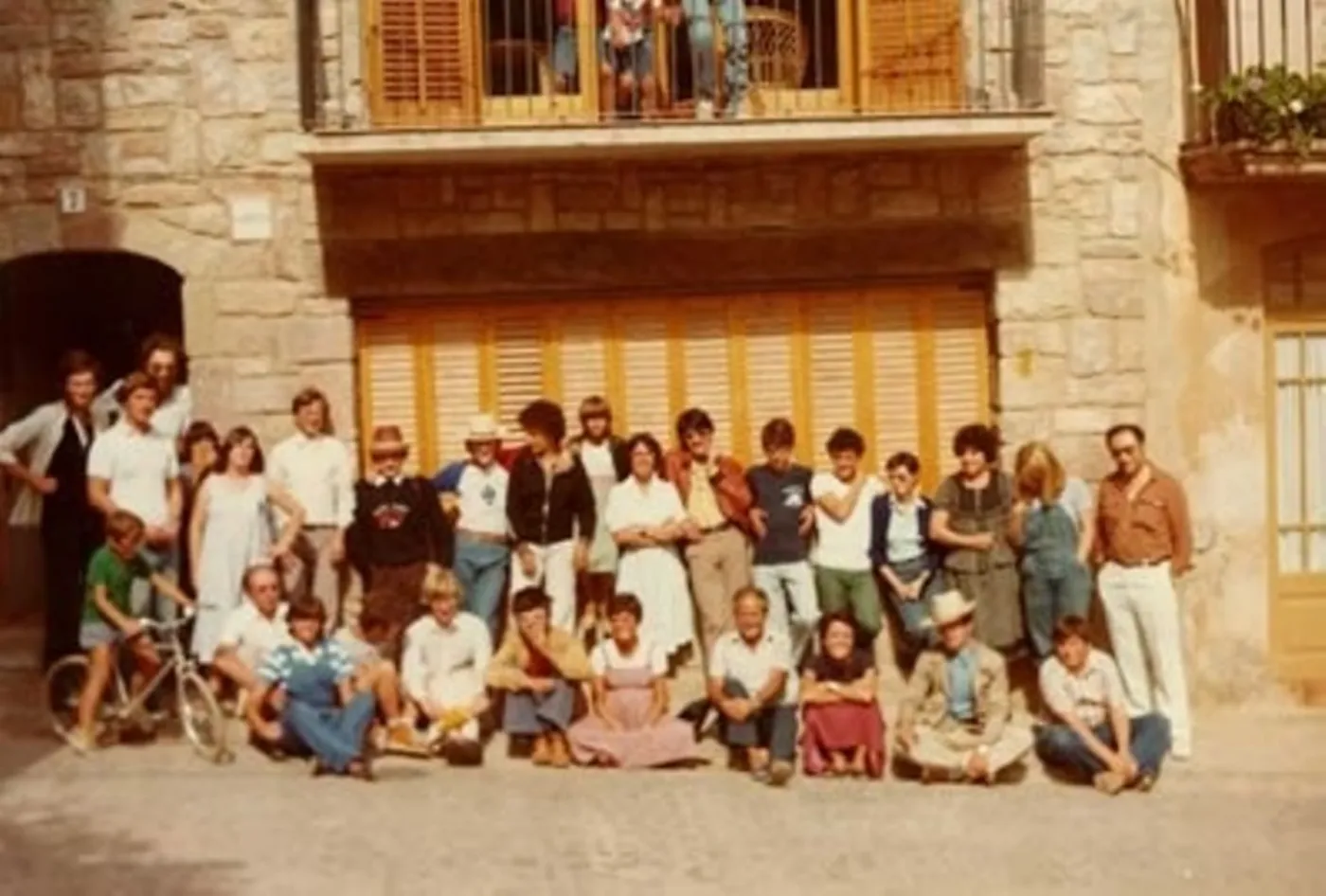
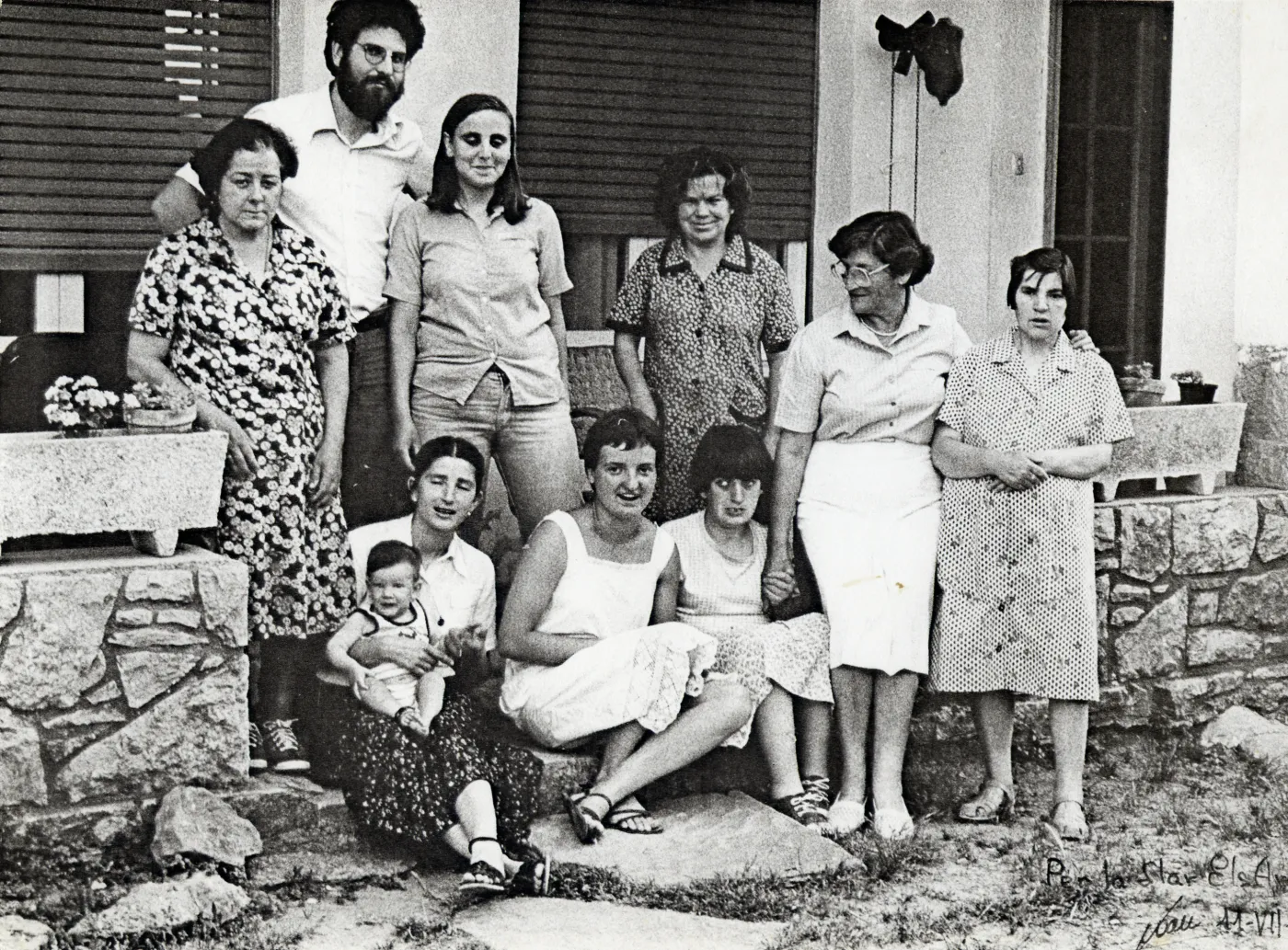
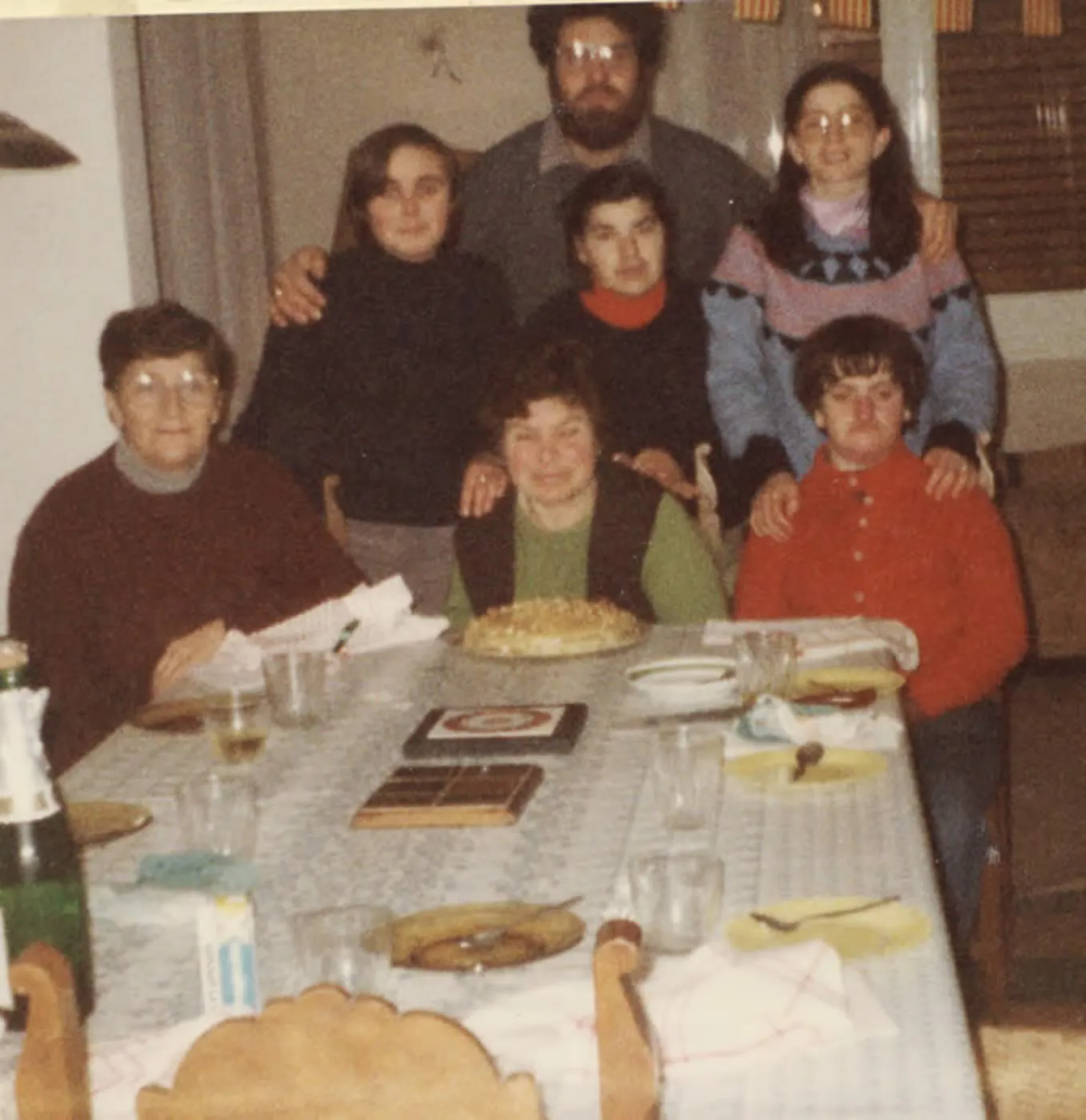
The early years were marked by enthusiasm, precariousness, and great generosity. The residents, assistants, volunteers, and families shared daily life: the house, meals, work, prayer, celebrations, and also difficulties. Work played a very important role, not only as a productive activity but also as a space for dignity, responsibility, and personal growth. There were farm tasks, gardening, workshop activities, and manual labor, always with the aim that each person could contribute what they were capable of doing.
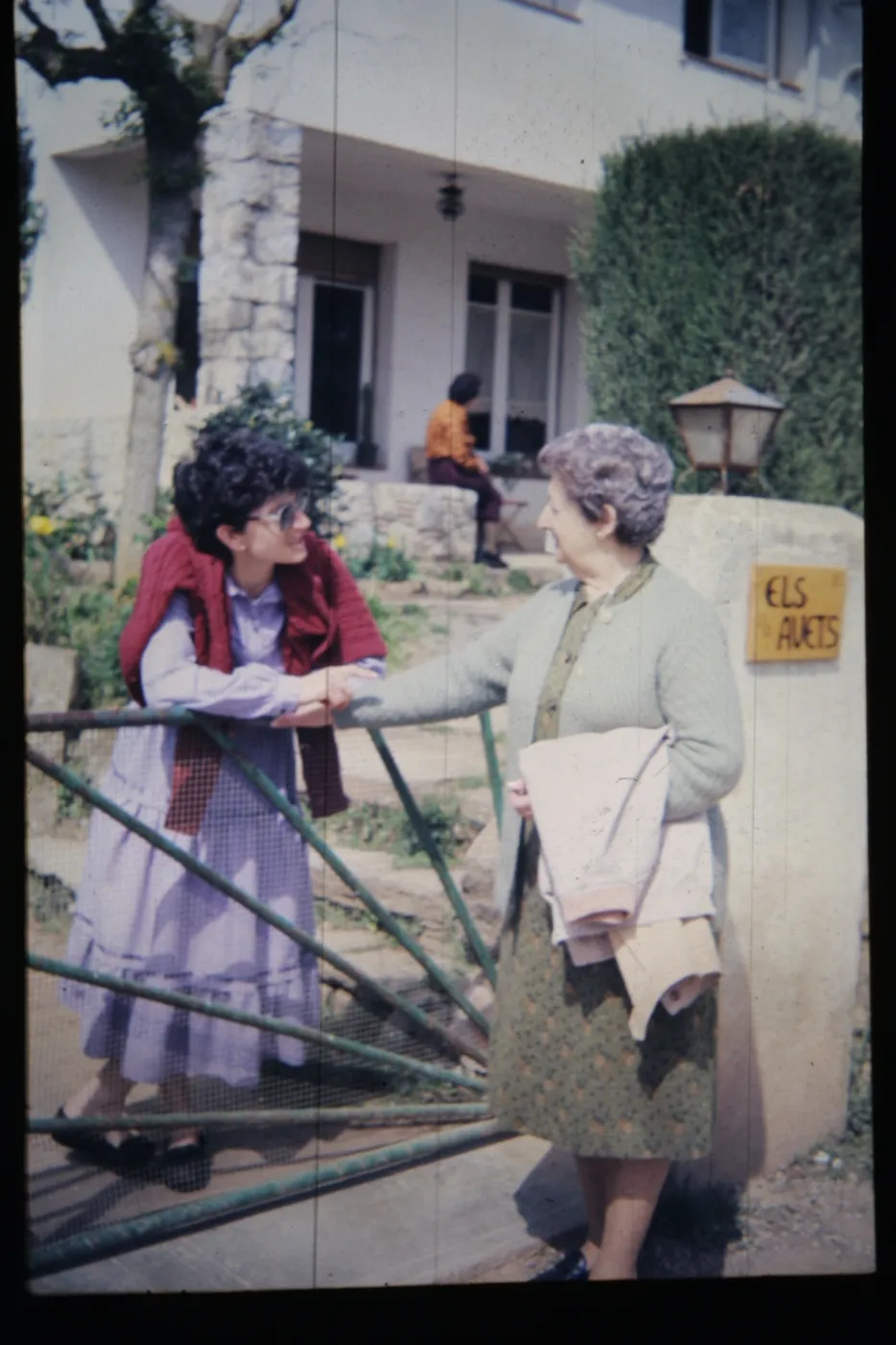
Over time, the project grew. In 1981, the Els Avets home was established, thanks to the donation of a house by Ms. Renée Puy in Moià, and the involvement of people who wanted to continue that lifestyle. At that time, they were part of the El Rusc Community: women lived in Moià and men in Tordera. Shortly after, Els Avets became part of the L’Arche communities, independent of Tordera but within the same entity: the Rusc i Avets Association.
The community’s history is, ultimately, a story of faith, welcome, and commitment. A history made of specific individuals, relationships, difficult moments, and great trust in the value of every life. From its beginnings until today, the spirit that has sustained it remains the same: to create a place where people with intellectual disabilities can live with dignity, feeling loved, recognized, and actively participating in a shared life.
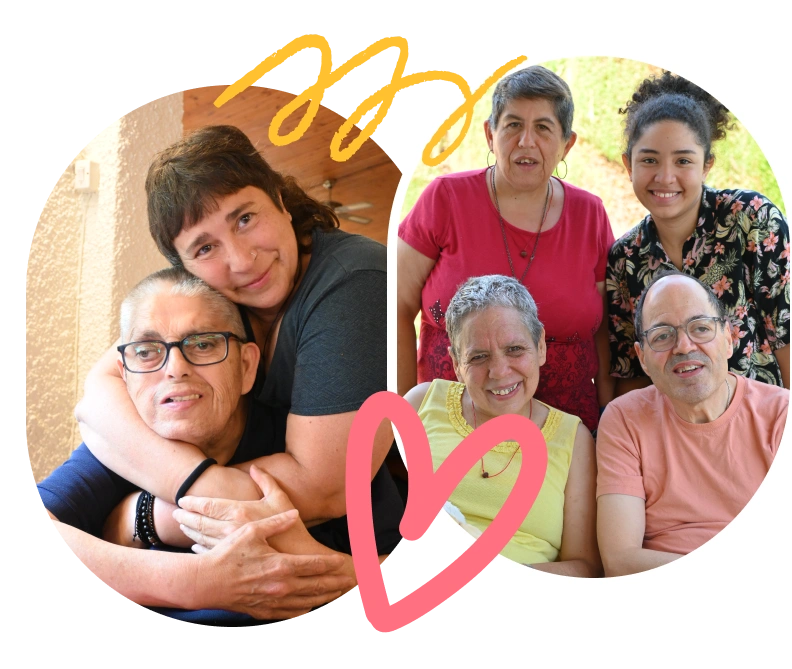
The community’s history began in the late seventies, driven by Dr. Pujol and his family, with the desire to create a shared living space for people with intellectual disabilities. After learning about the L’Arche experience, the project gradually took shape in Can Trompa, Tordera, where a simple, family-like, and communal way of life began.
The early years were marked by enthusiasm, precariousness, and great generosity. The residents, assistants, volunteers, and families shared daily life: the house, meals, work, prayer, celebrations, and also difficulties. Work played a very important role, not only as a productive activity but also as a space for dignity, responsibility, and personal growth. There were farm tasks, gardening, workshop activities, and manual labor, always with the aim that each person could contribute what they were capable of doing.
Over time, the project grew. In 1981, the Els Avets home was established, thanks to the donation of a house by Ms. Renée Puy in Moià, and the involvement of people who wanted to continue that lifestyle. At that time, they were part of the El Rusc Community: women lived in Moià and men in Tordera. Shortly after, Els Avets became part of the L’Arche communities, independent of Tordera but within the same entity: the Rusc i Avets Association.
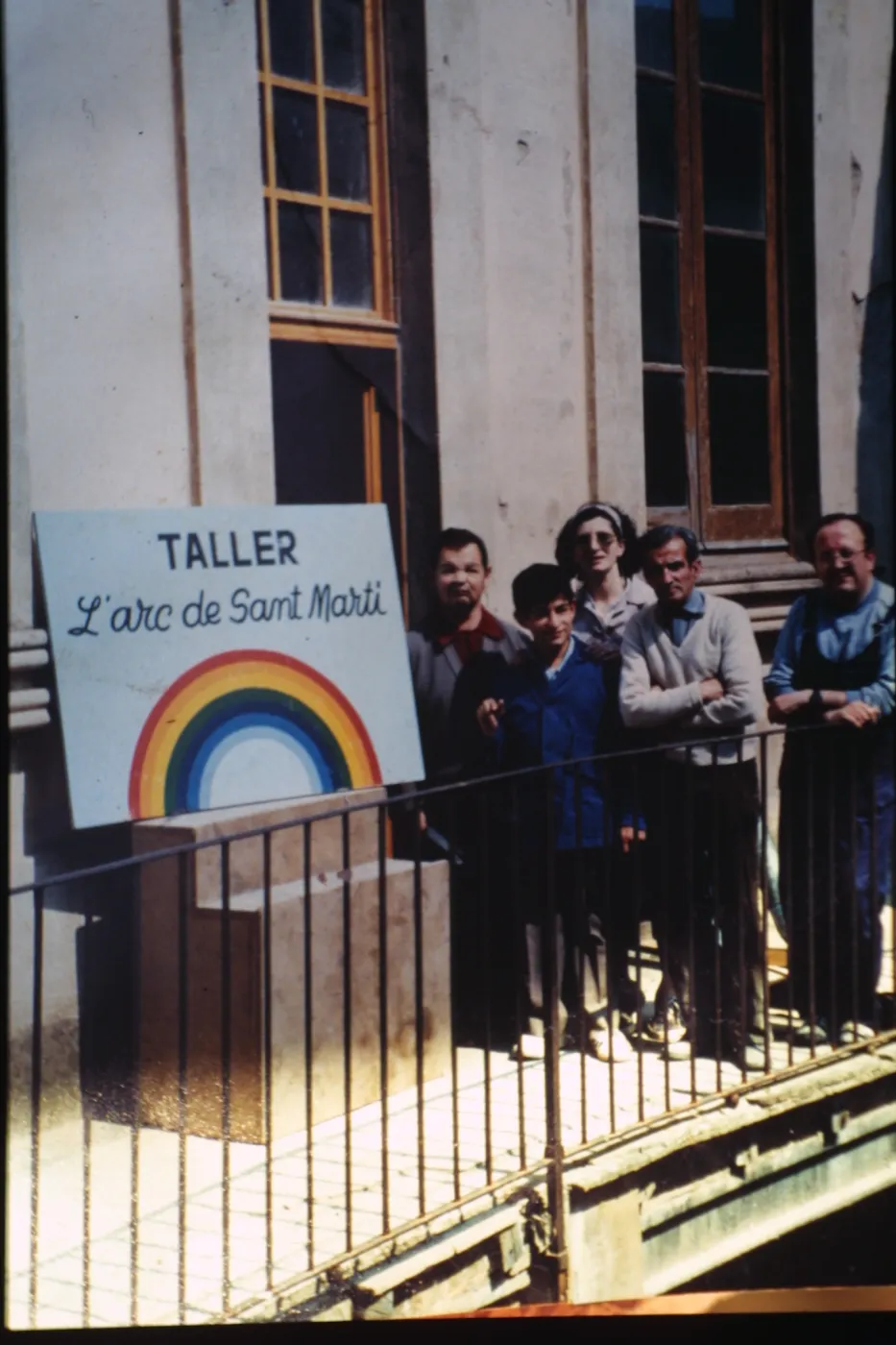
That same year, the Taller Arc de Sant Martí (Rainbow Workshop) was also founded, located in a property belonging to the Escolapian Fathers of Moià, which became a space for work, coexistence, and connection with the local environment.
During the following years, the community matured. It became necessary to better organize internal life, distribute responsibilities, define the roles of assistants, and provide more stability to the homes. Each living place gradually acquired its own personality: Tordera, with El Rusc, and Moià, with Els Avets. This diversity enriched the project, but also made it clear that adaptation to different realities was needed.
In 1983, a new phase began with the handover of community leadership. Lluïsa Morago, along with her husband, Jordi Carbonell, progressively assumed leadership at a time when Dr. Pujol and his family were withdrawing due to health reasons and personal needs. This change represented an important transition: it moved from a community strongly marked by the charisma of its founders to a more shared structure, with greater participation, council, board, and co-responsibility.
The connection with L’Arche was also fundamental. The community deepened its identity, participating in meetings, training sessions, and reflection spaces. This belonging helped to understand that the center of community life was relationships: embracing fragility, recognizing the gifts of each person, and building a life where everyone could feel valued.
Between 1986 and 1989, the separation between two community realities, El Rusc in Tordera and Els Avets in Moià, gradually consolidated. It was not an easy process, because they shared the same history and spirit, but the distance, different needs, and growth of each place made this path necessary. Thus, Els Avets continued to build its own identity as a community rooted in Moià, with a simple life, open to the town, and focused on its residents.
The community’s history is, ultimately, a story of faith, welcome, and commitment. A history made of specific individuals, relationships, difficult moments, and great trust in the value of every life. From its beginnings until today, the spirit that has sustained it remains the same: to create a place where people with intellectual disabilities can live with dignity, feeling loved, recognized, and actively participating in a shared life.
In 2013, El Rusc and Els Avets became two independent entities within the International L’Arche Federation.